
Managing Toe Pain

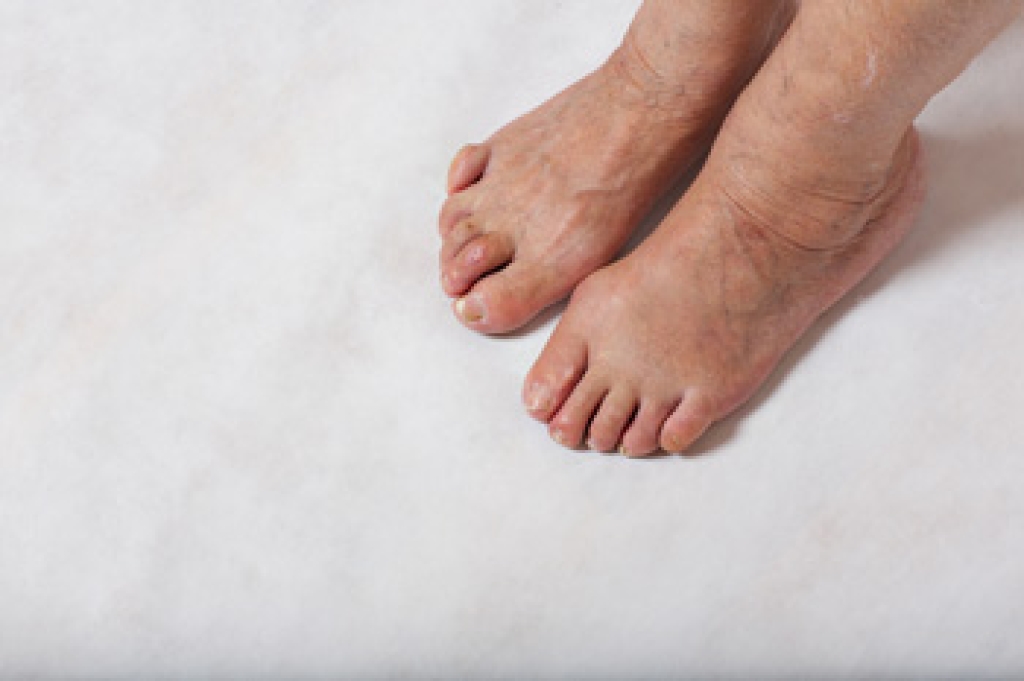
Toe joint pain can make walking uncomfortabl,e and may interfere with daily activities. It often develops from arthritis, overuse, injury, or structural problems in the foot. The pain may be felt in the big toe or smaller toes, and can result in stiffness, swelling, or a deep aching sensation. Some people notice redness, warmth, or a reduced ability to bend the toe, especially during push off when walking. In certain cases, sharp or sudden pain in the big toe joint may be related to gout. The joint may appear enlarged or tender, and discomfort can worsen with activity or pressure from footwear. A podiatrist can evaluate joint movement, foot structure, and possible underlying causes through an examination and imaging tests. Relief options can include wearing supportive footwear, custom orthotics, anti-inflammatory care, and targeted exercises to maintain mobility. If you have persistent toe joint pain, it is suggested that you schedule an appointment with a podiatrist for appropriate relief and treatment solutions.

Toe pain can disrupt your daily activities. If you have any concerns, contact one of our podiatrists of Waterbury Podiatry Consultants. Our doctors can provide the care you need to keep you pain-free and on your feet.

What Causes Toe Pain?

Most severe toe pain is caused due to a sports injury, trauma from dropping something heavy on the toe, or bumping into something rigid. Other problems can develop over time for various reasons.

Toe pain can be caused by one or more ailments. The most common include:

  • Trauma
  • Sports injury
  • Wearing shoes that are too tight
  • Arthritis
  • Gout
  • Corns and calluses
  • Hammertoe
  • Bunions
  • Blisters
  • Ingrown toenails
  • Sprains
  • Fractures (broken bones)
  • Dislocations

When to See a Podiatrist

  • Severe pain
  • Persistent pain that lasts more than a week
  • Signs of infection
  • Continued swelling
  • Pain that prevents walking

Diagnosis

In many cases the cause of toe pain is obvious, but in others, a podiatrist may want to use more advanced methods to determine the problem. These can range from simple visual inspections and sensation tests to X-rays and MRI scans. Prior medical history, family medical history, and any recent physical traumatic events will all be taken into consideration for a proper diagnosis.

Treatment

Treatments for toe pain and injuries vary and may include shoe inserts, padding, taping, medicines, injections, and in some cases, surgery. If you believe that you have broken a toe, please see a podiatrist as soon as possible.

If you have any questions please contact our offices located in Waterbury and Southington, CT . We offer the newest diagnostic and treatment technologies for all your foot and ankle needs.

Read more about Toe Pain

Common Ankle Injuries from Cycling

Ankle injuries from cycling often occur when a rider loses balance and the foot forcefully hits the ground, causing the ankle to roll. The most common injuries are sprains and fractures. A sprain is a stretching or tearing of ligaments, while a fracture is a break in the bone. Symptoms of sprains include swelling, bruising, and limited movement, while fractures often cause severe pain, inability to bear weight, and possible deformity. Risk factors include improper footwear, lack of ankle support, and uneven terrain. These injuries can interfere with mobility and daily activities, if not treated properly. A podiatrist can diagnose the injury and provide appropriate care to promote healing. If you have ankle pain from cycling, it is suggested that you consult a podiatrist who can offer effective relief and treatment solutions.

Ankle and foot injuries are common among athletes and in many sports. They can be caused by several problems and may be potentially serious. If you are feeling pain or think you were injured in a sporting event or when exercising, consult with one of our podiatrists from Waterbury Podiatry Consultants. Our doctors will assess your condition and provide you with quality foot and ankle treatment.

Common Injuries

The most common injuries that occur in sporting activities include:

  • Achilles Tendonitis
  • Achilles Tendon Rupture
  • Ankle Sprains
  • Broken Foot
  • Plantar Fasciitis
  • Stress Fractures
  • Turf Toe

Symptoms

Symptoms vary depending upon the injury and in some cases, there may be no symptoms at all. However, in most cases, some form of symptom is experienced. Pain, aching, burning, bruising, tenderness, tightness or stiffness, sensation loss, difficulty moving, and swelling are the most common symptoms.

Treatment

Just as symptoms vary depending upon the injury, so do treatment options. A common treatment method is known as the RICE method. This method involves rest, applying ice, compression and elevating the afflicted foot or ankle. If the injury appears to be more serious, surgery might be required, such as arthroscopic or reconstructive surgery. Lastly, rehabilitation or therapy might be needed to gain full functionality in the afflicted area. Any discomfort experienced by an athlete must be evaluated by a licensed, reputable medical professional.  

If you have any questions please contact our offices located in Waterbury and Southington, CT . We offer the newest diagnostic and treatment technologies for all your foot and ankle needs.

Read more about Sports Related Foot And Ankle Injuries

Athlete’s Foot in Children and Teens and How to Help Prevent It

Athlete’s foot can affect children and teens, especially those who are active, wear closed shoes for long periods of time, or spend time in locker rooms and around pools. This condition is caused by a fungus that thrives in warm, moist environments. It may appear as peeling skin, redness, itching, or small cracks between the toes. Some young people  may also have dryness or mild discomfort on the soles of the feet. Because symptoms can be subtle, it may go unnoticed at first. Prevention starts with keeping feet clean and dry. Encourage kids to change socks daily, choose breathable shoes, and allow shoes to air out between uses. Wearing flip flops in public wet areas can also help reduce exposure. If you notice signs of athlete’s foot in your children, it is suggested that you see a podiatrist for a proper diagnosis and appropriate treatment.

Athlete’s Foot

Athlete’s foot is often an uncomfortable condition to experience. Thankfully, podiatrists specialize in treating athlete’s foot and offer the best treatment options. If you have any questions about athlete’s foot, consult with one of our podiatrists from Waterbury Podiatry Consultants. Our doctors will assess your condition and provide you with quality treatment.

What Is Athlete’s Foot?

Tinea pedis, more commonly known as athlete’s foot, is a non-serious and common fungal infection of the foot. Athlete’s foot is contagious and can be contracted by touching someone who has it or infected surfaces. The most common places contaminated by it are public showers, locker rooms, and swimming pools. Once contracted, it grows on feet that are left inside moist, dark, and warm shoes and socks.

Prevention

The most effective ways to prevent athlete’s foot include:

  • Thoroughly washing and drying feet
  • Avoid going barefoot in locker rooms and public showers
  • Using shower shoes in public showers
  • Wearing socks that allow the feet to breathe
  • Changing socks and shoes frequently if you sweat a lot

Symptoms

Athlete’s foot initially occurs as a rash between the toes. However, if left undiagnosed, it can spread to the sides and bottom of the feet, toenails, and if touched by hand, the hands themselves. Symptoms include:

  • Redness
  • Burning
  • Itching
  • Scaly and peeling skin

Diagnosis and Treatment

Diagnosis is quick and easy. Skin samples will be taken and either viewed under a microscope or sent to a lab for testing. Sometimes, a podiatrist can diagnose it based on simply looking at it. Once confirmed, treatment options include oral and topical antifungal medications.

If you have any questions, please feel free to contact our offices located in Waterbury and Southington, CT . We offer the newest diagnostic and treatment technologies for all your foot care needs.


Read more about How to Deal with Athlete's Foot

How Everyday Injuries Can Lead to Diabetic Foot Ulcers

Foot ulcers are a serious concern for people living with diabetes. Many of these wounds begin with a simple injury to the foot. A small cut, blister, burn, or pressure from wearing tight shoes can damage the skin. Because diabetes can reduce feeling in the feet, a person may not notice the injury right away. Continued walking or pressure on the area can cause the skin to break down and develop into an open sore. Sharp objects, rubbing from footwear, or repeated stress during daily activity can all trigger these wounds. Once the skin is damaged, healing may be slow, which increases the risk of infection and more serious complications. Daily foot checks, supportive footwear, and quick care for even minor injuries can help prevent problems. If you have diabetes and notice any sore or redness, it is suggested that you visit a podiatrist for prompt evaluation and appropriate treatment.

Diabetic foot care is important in preventing foot ailments such as ulcers. If you are suffering from diabetes or have any other concerns about your feet, contact one of our podiatrists from Waterbury Podiatry Consultants. Our doctors can provide the care you need to keep you pain-free and on your feet.

Diabetic Foot Care

Diabetes affects millions of people every year. The condition can damage blood vessels in many parts of the body, especially the feet. Because of this, taking care of your feet is essential if you have diabetes, and having a podiatrist help monitor your foot health is highly recommended.

The Importance of Caring for Your Feet

  • Routinely inspect your feet for bruises or sores.
  • Wear socks that fit your feet comfortably.
  • Wear comfortable shoes that provide adequate support.

Patients with diabetes should have their doctor monitor their blood levels, as blood sugar levels play such a huge role in diabetic care. Monitoring these levels on a regular basis is highly advised.

It is always best to inform your healthcare professional of any concerns you may have regarding your feet, especially for diabetic patients. Early treatment and routine foot examinations are keys to maintaining proper health, especially because severe complications can arise if proper treatment is not applied.

If you have any questions, please feel free to contact our offices located in Waterbury and Southington, CT . We offer the newest diagnostic and treatment technologies for all your foot care needs.
Read more about Diabetic Foot Conditions

Connect With Us

scroll to top