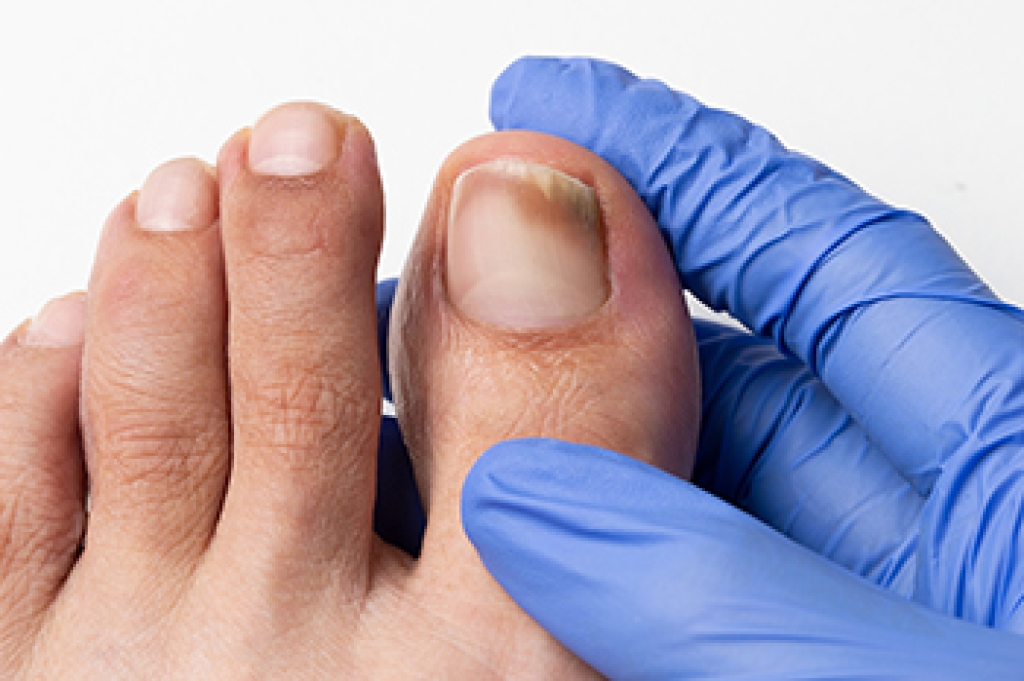
When Foot Injuries Linger and Healing Slows

Most foot wounds heal with time and proper care, but some fail to improve, despite treatment. Poor circulation is a common reason, as reduced blood flow limits oxygen and nutrient delivery needed for healing. Diabetes can also slow recovery by affecting nerves, immune response, and blood vessels, making injuries harder to feel and treat early. Ongoing pressure from walking, wearing ill-fitting shoes, or abnormal foot structure may repeatedly reopen wounds. Infection is another major factor, as bacteria can delay tissue repair and increase inflammation. Certain wounds become chronic when underlying conditions are not addressed. Skin breakdown may continue if pressure points are not offloaded, or if moisture and friction persist. Early evaluation is important to prevent complications. When a foot wound does not show signs of healing or continues to worsen, it is suggested that you see a podiatrist as quickly as possible for appropriate treatment.

Wound care is an important part in dealing with diabetes. If you have diabetes and a foot wound or would like more information about wound care for diabetics, consult with one of our podiatrists from Waterbury Podiatry Consultants. Our doctors will assess your condition and provide you with quality foot and ankle treatment.

What Is Wound Care?

Wound care is the practice of taking proper care of a wound. This can range from the smallest to the largest of wounds. While everyone can benefit from proper wound care, it is much more important for diabetics. Diabetics often suffer from poor blood circulation which causes wounds to heal much slower than they would in a non-diabetic. 

What Is the Importance of Wound Care?

While it may not seem apparent with small ulcers on the foot, for diabetics, any size ulcer can become infected. Diabetics often also suffer from neuropathy, or nerve loss. This means they might not even feel when they have an ulcer on their foot. If the wound becomes severely infected, amputation may be necessary. Therefore, it is of the upmost importance to properly care for any and all foot wounds.

How to Care for Wounds

The best way to care for foot wounds is to prevent them. For diabetics, this means daily inspections of the feet for any signs of abnormalities or ulcers. It is also recommended to see a podiatrist several times a year for a foot inspection. If you do have an ulcer, run the wound under water to clear dirt from the wound; then apply antibiotic ointment to the wound and cover with a bandage. Bandages should be changed daily and keeping pressure off the wound is smart. It is advised to see a podiatrist, who can keep an eye on it.

If you have any questions please contact our offices located in Waterbury and Southington, CT . We offer the newest diagnostic and treatment technologies for all your foot and ankle needs.

Read more about Wound Care

Causes of Sharp Pain in the Big Toe

Sharp pain in the big toe can result from several underlying conditions that affect joints, bones, and soft tissues. Gout is an inflammatory arthritis caused by uric acid buildup in the joint, leading to sudden and intense pain. Sesamoiditis is irritation of the two small bones beneath the big toe joint, often due to repetitive pressure or overuse. Turf toe is a sprain of the big toe joint caused by forced upward bending, commonly seen in active individuals. Additionally, toe lumps may form from joint changes, cysts, or soft tissue swelling and can create pressure and discomfort. A podiatrist can accurately diagnose the cause of pain in the big toe, provide targeted treatment, and help prevent further damage. If you have pain in this part of your foot, it is suggested that you consult a podiatrist who can accurately diagnose and treat what may be going on. 

Toe pain can disrupt your daily activities. If you have any concerns, contact one of our podiatrists of Waterbury Podiatry Consultants. Our doctors can provide the care you need to keep you pain-free and on your feet.

What Causes Toe Pain?

Most severe toe pain is caused due to a sports injury, trauma from dropping something heavy on the toe, or bumping into something rigid. Other problems can develop over time for various reasons.

Toe pain can be caused by one or more ailments. The most common include:

  • Trauma
  • Sports injury
  • Wearing shoes that are too tight
  • Arthritis
  • Gout
  • Corns and calluses
  • Hammertoe
  • Bunions
  • Blisters
  • Ingrown toenails
  • Sprains
  • Fractures (broken bones)
  • Dislocations

When to See a Podiatrist

  • Severe pain
  • Persistent pain that lasts more than a week
  • Signs of infection
  • Continued swelling
  • Pain that prevents walking

Diagnosis

In many cases the cause of toe pain is obvious, but in others, a podiatrist may want to use more advanced methods to determine the problem. These can range from simple visual inspections and sensation tests to X-rays and MRI scans. Prior medical history, family medical history, and any recent physical traumatic events will all be taken into consideration for a proper diagnosis.

Treatment

Treatments for toe pain and injuries vary and may include shoe inserts, padding, taping, medicines, injections, and in some cases, surgery. If you believe that you have broken a toe, please see a podiatrist as soon as possible.

If you have any questions please contact our offices located in Waterbury and Southington, CT . We offer the newest diagnostic and treatment technologies for all your foot and ankle needs.

Read more about Toe Pain

Gentle Solutions for Corns and Calluses

Corns and calluses form when the skin responds to repeated pressure or friction by building extra layers for protection. This process involves excessive growth of the outer skin layer, which can become thick, hard, and uncomfortable over time. Corns tend to be smaller and more focused, while calluses usually spread across weight-bearing areas of the foot. Treatment begins by identifying and reducing the source of pressure. Wearing proper footwear, cushioning pads, and custom orthotics can help redistribute force and prevent recurrence. Professional trimming of thickened skin provides relief and lowers the risk of cracking or infection. Moisturizing care may also improve skin flexibility. Self-treatment with sharp tools or harsh chemicals is discouraged. If your corns or calluses become painful, return often, or interfere with walking, it is suggested that you see a podiatrist for a proper diagnosis and appropriate treatment.

Corns can make walking very painful and should be treated immediately. If you have questions regarding your feet and ankles, contact one of our podiatrists of Waterbury Podiatry Consultants. Our doctors will treat your foot and ankle needs.

Corns: What Are They? And How Do You Get Rid of Them?
Corns are thickened areas on the skin that can become painful. They are caused by excessive pressure and friction on the skin. Corns press into the deeper layers of the skin and are usually round in shape.

Ways to Prevent Corns
There are many ways to get rid of painful corns such as:

  • Wearing properly fitting shoes that have been measured by a professional
  • Wearing shoes that are not sharply pointed or have high heels
  • Wearing only shoes that offer support

Treating Corns

Although most corns slowly disappear when the friction or pressure stops, this isn’t always the case. Consult with your podiatrist to determine the best treatment option for your case of corns.

If you have any questions, please feel free to contact our offices located in Waterbury and Southington, CT . We offer the newest diagnostic and treatment technologies for all your foot care needs.

Read more about Corns and Calluses

Achilles Tendon Ruptures and Podiatric Care

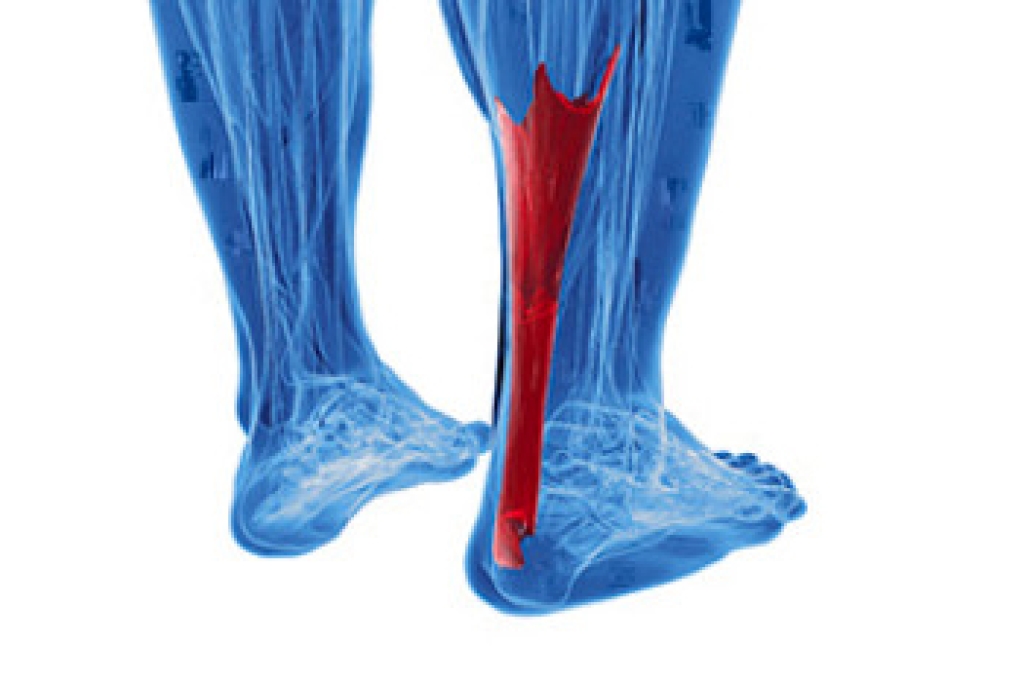
An Achilles tendon rupture is a serious injury involving a partial or complete tear of the tendon that connects the calf muscles to the heel bone. It is commonly caused by sudden increases in activity, forceful push off movements, trauma, or weakened tendons from overuse. Symptoms often include sudden pain in the back of the ankle, swelling, difficulty walking, and the sensation of hearing or feeling a pop at the time of injury. Loss of strength and limited ankle motion may follow. A podiatrist can help by performing a thorough evaluation, confirming the diagnosis, and developing a personalized treatment plan that may include immobilization, or surgical care, when needed. Early treatment is essential for optimal healing. If you experience sudden ankle pain or hear a popping sound, it is suggested that you promptly contact a podiatrist for a personalized treatment plan. 

Achilles tendon injuries need immediate attention to avoid future complications. If you have any concerns, contact one of our podiatrists of Waterbury Podiatry Consultants. Our doctors can provide the care you need to keep you pain-free and on your feet.

What Is the Achilles Tendon?

The Achilles tendon is a tendon that connects the lower leg muscles and calf to the heel of the foot. It is the strongest tendon in the human body and is essential for making movement possible. Because this tendon is such an integral part of the body, any injuries to it can create immense difficulties and should immediately be presented to a doctor.

What Are the Symptoms of an Achilles Tendon Injury?

There are various types of injuries that can affect the Achilles tendon. The two most common injuries are Achilles tendinitis and ruptures of the tendon.

Achilles Tendinitis Symptoms

  • Inflammation
  • Dull to severe pain
  • Increased blood flow to the tendon
  • Thickening of the tendon

Rupture Symptoms

  • Extreme pain and swelling in the foot
  • Total immobility

Treatment and Prevention

Achilles tendon injuries are diagnosed by a thorough physical evaluation, which can include an MRI. Treatment involves rest, physical therapy, and in some cases, surgery. However, various preventative measures can be taken to avoid these injuries, such as:

  • Thorough stretching of the tendon before and after exercise
  • Strengthening exercises like calf raises, squats, leg curls, leg extensions, leg raises, lunges, and leg presses

If you have any questions please feel free to contact our offices located in Waterbury and Southington, CT . We offer the newest diagnostic tools and technology to treat your foot and ankle needs.

Read more about Achilles Tendon Injuries

Let the Expert Treat Your Ingrown Toenails

Ingrown toenails can be painful and can make wearing shoes or walking uncomfortable. Seek professional help if you believe you've developed an ingrown toenail and be treated safely. 

Connect With Us

scroll to top